
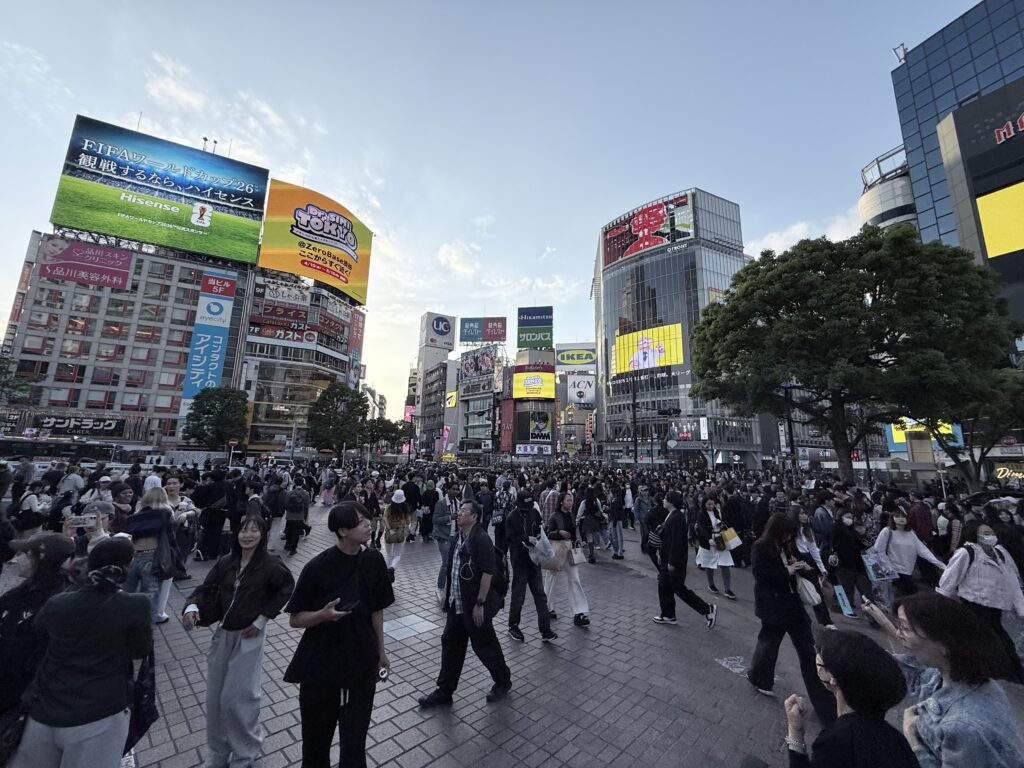
Shibuya Introduces On-the-Spot Fines Amid Growing Frustration Over Overtourism
TOKYO, Japan — Visitors who litter in Tokyo’s bustling Shibuya district now face immediate fines as Japanese authorities intensify efforts to address the side effects of a record-breaking tourism boom that has transformed some of the country’s most iconic destinations.
Beginning Monday, Shibuya Ward introduced on-the-spot penalties of 2,000 yen (approximately $13) for individuals caught discarding rubbish in public spaces. The measure applies throughout the district, home to the world-famous Shibuya Crossing, one of Japan’s busiest and most recognizable urban landmarks.
Under the new enforcement program, offenders can pay fines immediately using cash, credit cards, or digital payment systems. Local authorities have deployed up to 50 patrol officers to monitor streets and public areas, particularly those that have experienced increased littering and public drinking.
The initiative is part of a broader campaign carrying the slogan, “If you throw trash, you lose cash,” reflecting growing concerns among residents that rising visitor numbers are placing pressure on local communities and public infrastructure.
Tourism Success Creates New Challenges
Japan welcomed a record 42.7 million international visitors in 2025, according to government tourism data, surpassing previous highs and reinforcing the country’s position as one of Asia’s most sought-after destinations.
The surge has been fueled by a weak yen, expanded international flight capacity, and widespread exposure on social media platforms that have promoted Japanese cultural attractions, food, and scenery to global audiences.
While tourism has become a major driver of economic growth, local governments increasingly face the challenge of managing overcrowding, waste disposal, transportation congestion, and disruptions to everyday life.
Shibuya officials say the number of people openly drinking and leaving rubbish on streets has increased significantly in recent years, particularly around nightlife and entertainment areas frequented by foreign tourists.
“We cannot tolerate littering simply because there are no rubbish bins,” ward authorities said in a public statement, urging residents and visitors alike to help maintain a clean and welcoming city environment.
The Paradox of Japan’s Missing Trash Bins
The issue highlights a long-standing peculiarity of Japanese cities: the scarcity of public rubbish bins.
Following domestic and international terrorist incidents over past decades, many public waste containers were removed due to security concerns. As a result, residents are generally expected to carry their trash home or dispose of it responsibly elsewhere.
However, a government survey conducted last year found that the lack of public bins ranked as the single greatest inconvenience for foreign visitors. More than one-fifth of nearly 4,000 surveyed tourists cited waste disposal as their primary challenge while traveling in Japan.
Recognizing this contradiction, some districts have also begun imposing penalties on food and beverage businesses that fail to provide adequate waste collection facilities for customers.
Overtourism Concerns Spread Beyond Tokyo
Shibuya’s crackdown reflects a broader national debate over overtourism.
In Fujiyoshida, a city near the iconic Mount Fuji, local authorities have struggled with chronic traffic congestion, illegal parking, overcrowding, and littering linked to rising tourist numbers. Earlier this year, officials cancelled the city’s renowned cherry blossom festival, arguing that visitor volumes had become unsustainable for local residents.
Similar concerns have emerged in Kyoto, Osaka, and other popular destinations where residents have reported overcrowded public transportation, rising housing pressures, and increasing strain on municipal services.
In response, the Japanese government has introduced a series of measures aimed at distributing tourism more evenly across the country, encouraging travel to lesser-known regions while strengthening local regulations in heavily visited areas.
A Delicate Balance Between Hospitality and Sustainability
Domestic analysts note that Japan’s tourism industry remains a critical pillar of economic growth, particularly as the country faces demographic decline and labor shortages. International observers have praised Japan’s success in attracting visitors but warn that maintaining public support for tourism will require stronger management of its social and environmental impacts.
The challenge facing policymakers is increasingly clear: preserving the qualities that attract millions of visitors each year while protecting the daily lives of residents who call these destinations home.
For now, Shibuya’s new fines represent one of the most visible signs that Japan is moving from promoting tourism growth to managing its consequences—an adjustment many destinations around the world are also being forced to make.
Source: AT/BBC
Photo: AT/hz