
By Staff Reporter
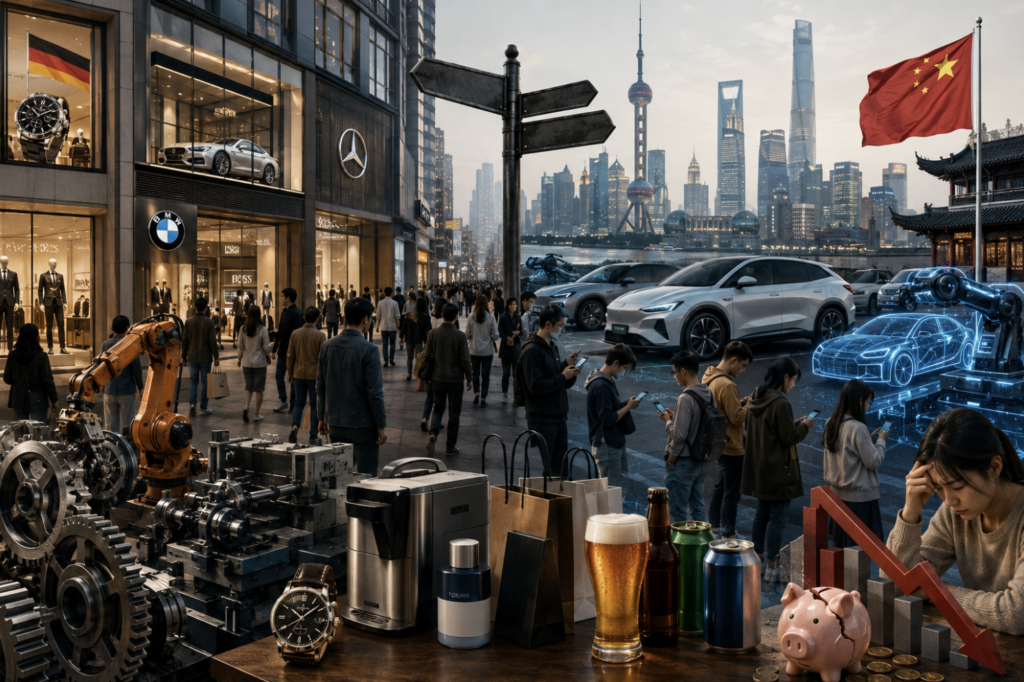
SHENZHEN, China – In the sprawling shopping malls of Shanghai, Shenzhen and Chengdu, the symbols of German industrial prestige remain unmistakable. Adidas sneakers fill storefront displays. Boss boutiques continue to attract aspirational middle-class consumers. Luxury watchmakers such as A. Lange & Söhne and Glashütte Original still carry an aura of exclusivity among affluent Chinese buyers. German household brands like Miele and Nivea remain widely distributed across China’s upscale department stores and pharmacies.
And yet behind the polished storefronts lies a far more complicated reality for German business in China — one shaped by slower economic growth, weakened consumer confidence and a post-pandemic society that has become markedly more cautious about spending.
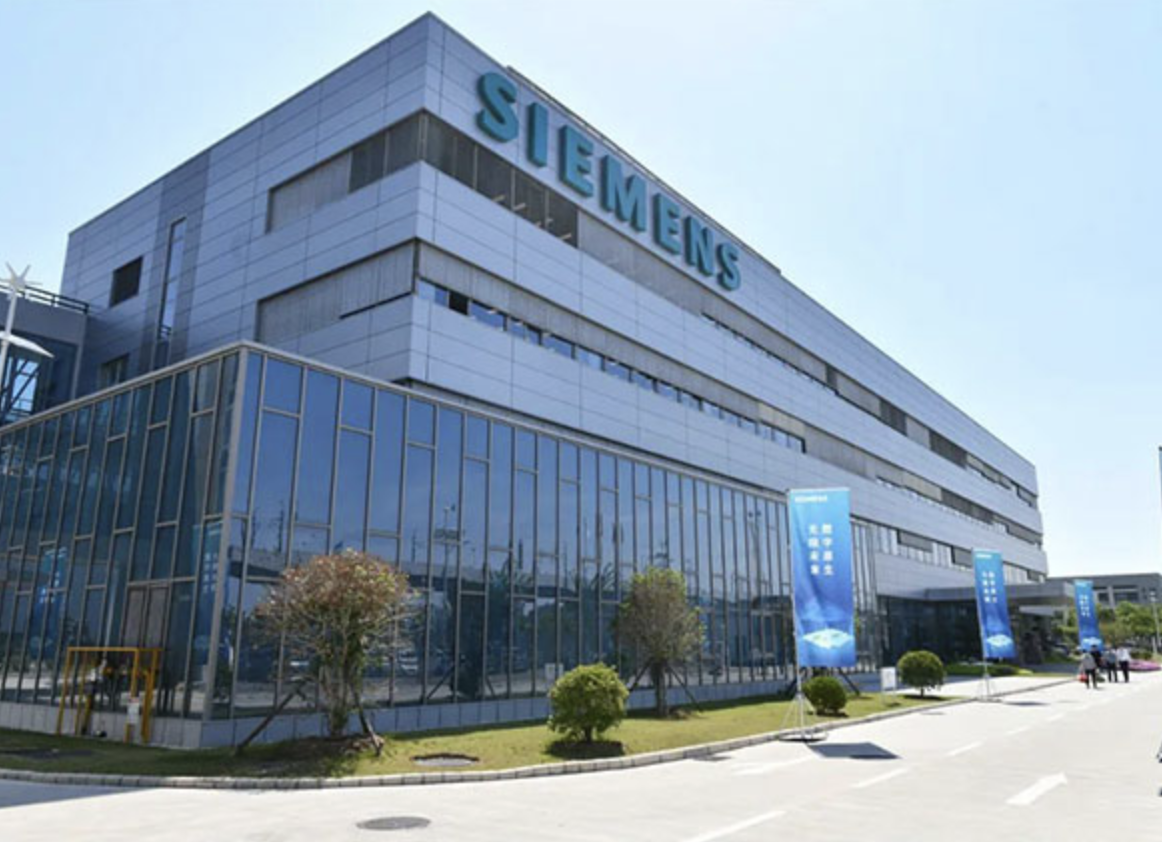
More than 5,000 German companies continue to operate in China, according to figures from the German Chamber of Commerce in China, making Germany one of the largest European business presences in the country. Automotive giants such as Mercedes-Benz, BMW, Volkswagen, Porsche and Audi continue to dominate premium market segments, while industrial groups including Siemens, Bosch and BASF maintain deep manufacturing and supply-chain operations throughout the country.
A More Cautious China After Covid
But the conditions under which these companies operate have changed dramatically since the Covid years.
China’s prolonged pandemic restrictions, combined with a deep property-sector crisis and rising youth unemployment, have fundamentally altered consumer behavior. Even among households that retained stable incomes, many families have adopted a far more defensive financial mindset. Saving money rather than spending it has become a form of economic self-protection — a deeply rooted cultural instinct reinforced by uncertainty about future employment and social stability.
The consequences are visible in shopping districts across China.
In Shenzhen, the southern technology hub bordering Hong Kong once celebrated as one of China’s most dynamic international cities, the atmosphere has shifted noticeably. Many foreign residents who left during the pandemic never returned. International representative offices that once occupied premium office towers have quietly downsized or closed entirely. Inside large shopping malls, vacant storefronts and reduced foot traffic reveal the lingering effects of a weakened consumer economy.
Visitors still stroll through luxury retail corridors, but increasingly as spectators rather than buyers. Window shopping has replaced impulse spending. Sales assistants, often young workers facing uncertain job prospects themselves, stand near entrances attempting to attract customers through direct conversation. Others retreat to quiet corners, scrolling through videos on Chinese social media platforms or chatting with friends while waiting for shoppers who may never enter.
International fashion chains have not been spared. European brands such as H&M and Zara have significantly reduced their physical retail footprint in several Chinese cities after years of slowing sales and intensifying domestic competition.
The Limits of the “Made in Germany” Advantage
For German companies, the challenge extends beyond weaker consumer demand.
German brands continue to enjoy an exceptional reputation for quality, reliability and engineering precision. The label “Made in Germany” still carries considerable prestige in China, particularly among older consumers and wealthier households. Yet that same reputation has, in some sectors, become both an advantage and a vulnerability.
Nowhere is this tension more visible than in the automotive industry.
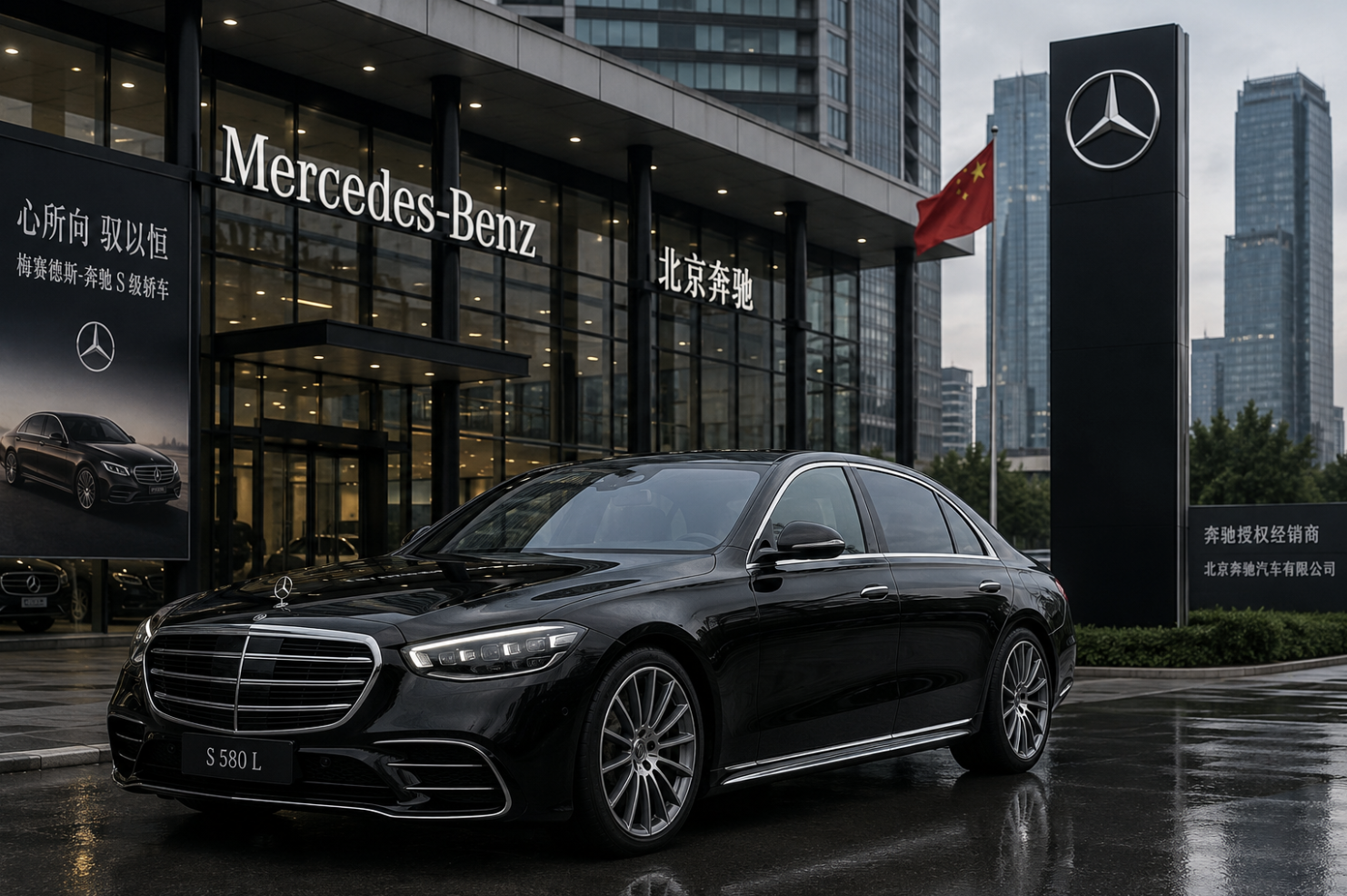
For decades, German automakers defined the premium segment in China. Owning a German luxury car was widely regarded as a symbol of social advancement and professional success. But China’s electric-vehicle revolution has exposed how quickly consumer expectations have evolved — and how slowly some foreign manufacturers responded.
Chinese consumers increasingly prioritize digital integration, voice-controlled systems, autonomous driving features and entertainment technology alongside traditional measures of vehicle quality. Domestic manufacturers moved aggressively to meet those expectations. Over the past several years, China has developed one of the world’s most competitive electric vehicle markets, with more than 100 manufacturers competing across every price category.
Companies such as BYD, NIO and XPeng have successfully positioned themselves as technology-driven alternatives to traditional European brands. Their vehicles often offer advanced digital features and lower prices than comparable imported or foreign-branded models.
German manufacturers, by contrast, were initially slower to embrace China’s preference for highly digitized electric vehicles. Many remained focused on traditional engineering strengths and conservative design philosophies at a moment when Chinese buyers were increasingly seeking technological novelty and aggressive innovation.
Luxury Reputation Meets Economic Anxiety
At the same time, German firms face growing pricing pressure. High-quality imported or premium-positioned products have become harder to sell in a market where economic anxiety shapes purchasing decisions. Even affluent consumers are displaying greater caution, while middle-class households that once drove luxury demand are increasingly postponing discretionary purchases.
For many Chinese families, financial caution is no longer temporary behavior but a survival strategy. The experience of layoffs during and after the pandemic left a lasting psychological impact. Families increasingly prioritize savings, education costs and financial security over prestige consumption.
That shift has been particularly painful for international premium brands operating inside expensive shopping malls that once symbolized China’s consumer boom. Retail spaces that were previously crowded with customers now often resemble showrooms rather than functioning commercial centers.
Why German Companies Are Staying
Still, despite mounting difficulties, German companies have shown a remarkable willingness to remain in China when many Western firms scaled back their operations.
That resilience reflects the reality of China’s enormous market size. Even under more difficult conditions, many German firms can still generate greater revenues in China than in Germany or neighboring European markets. For industrial manufacturers in particular, China remains indispensable.
German machinery companies continue to occupy a critical position within China’s advanced manufacturing sector. Many Chinese factories remain heavily dependent on German industrial equipment, automation systems and specialized engineering expertise. Chinese local governments, aware of that dependence, have often worked actively to retain major German investors through favorable industrial policies and continued political engagement.
According to surveys conducted by the German Chamber of Commerce in China, many German companies operating in China remain profitable despite increasing geopolitical tensions and market uncertainty. Yet a growing number also express concern about slowing demand, intensifying local competition and a regulatory environment that has become less predictable than during China’s earlier decades of rapid globalization.
The Curious Absence of German Beer
One particularly curious gap in the German commercial presence involves food and beverage exports.
German beer enjoys enormous cultural prestige in China, where Bavarian brewing traditions are widely admired. Yet imported German beers remain surprisingly underrepresented compared with Belgian, Dutch, Danish and American brands that dominate many supermarket shelves and premium bars.

Unknown German beer brands in Chinese supermarket shelves
Industry representatives from several German breweries say export expansion into China has often been constrained not by lack of demand but by limited production capacity and cautious international growth strategies. Some brewery executives argue their domestic operations are already operating at full capacity and cannot easily absorb large new export markets.
That explanation surprises some observers, especially given that many other German industries spent more than three decades successfully expanding across the Chinese market.
A Market That Still Matters
Ultimately, the story of German business in China is no longer one of effortless expansion or automatic prestige. The appeal of “Made in Germany” endures, but it now exists within a China that has become more price-sensitive, technologically ambitious and economically uncertain.
For German companies, survival increasingly depends not only on the strength of their brand heritage, but on their ability to adapt to a rapidly changing Chinese consumer — one who still admires German quality, yet has become far more selective about what is truly worth buying.
Photos: AT/hz, Siemens, AI